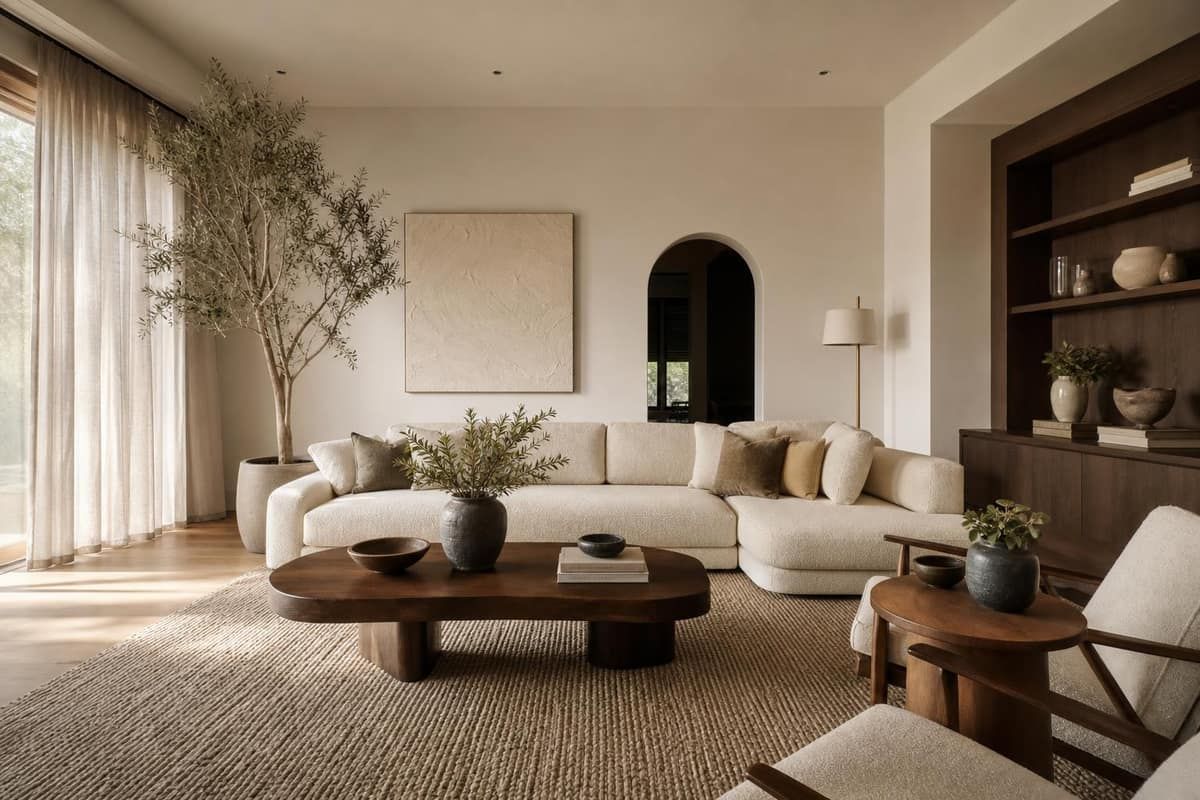
How a house becomes a home
Everything we'd tell you over coffee before a project starts — style, colour, floors, budgets, and the small rules that make a room feel finished.
Chapter oneFinding your style
"I know what I like when I see it" is a perfectly good starting point. In fact it's the one designers prefer — pictures are far more honest than labels.
Start with a feeling, not a label
Calm and airy? Warm and collected? Bold and a little dramatic? The feeling you want when you walk through the door matters more than design vocabulary. Tell us that, and translating it is our job.
The styles you'll meet most
Save the two or three you keep returning to — that overlap is usually your real style.
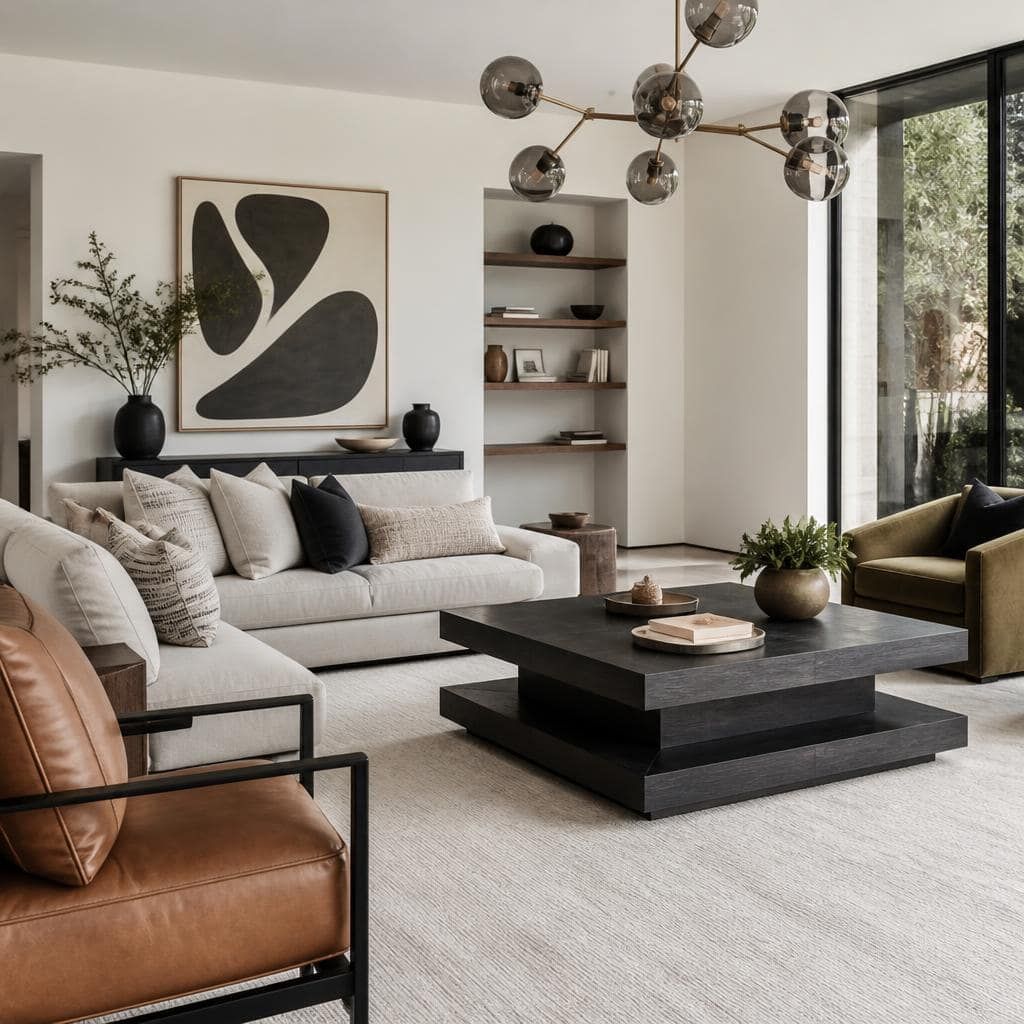
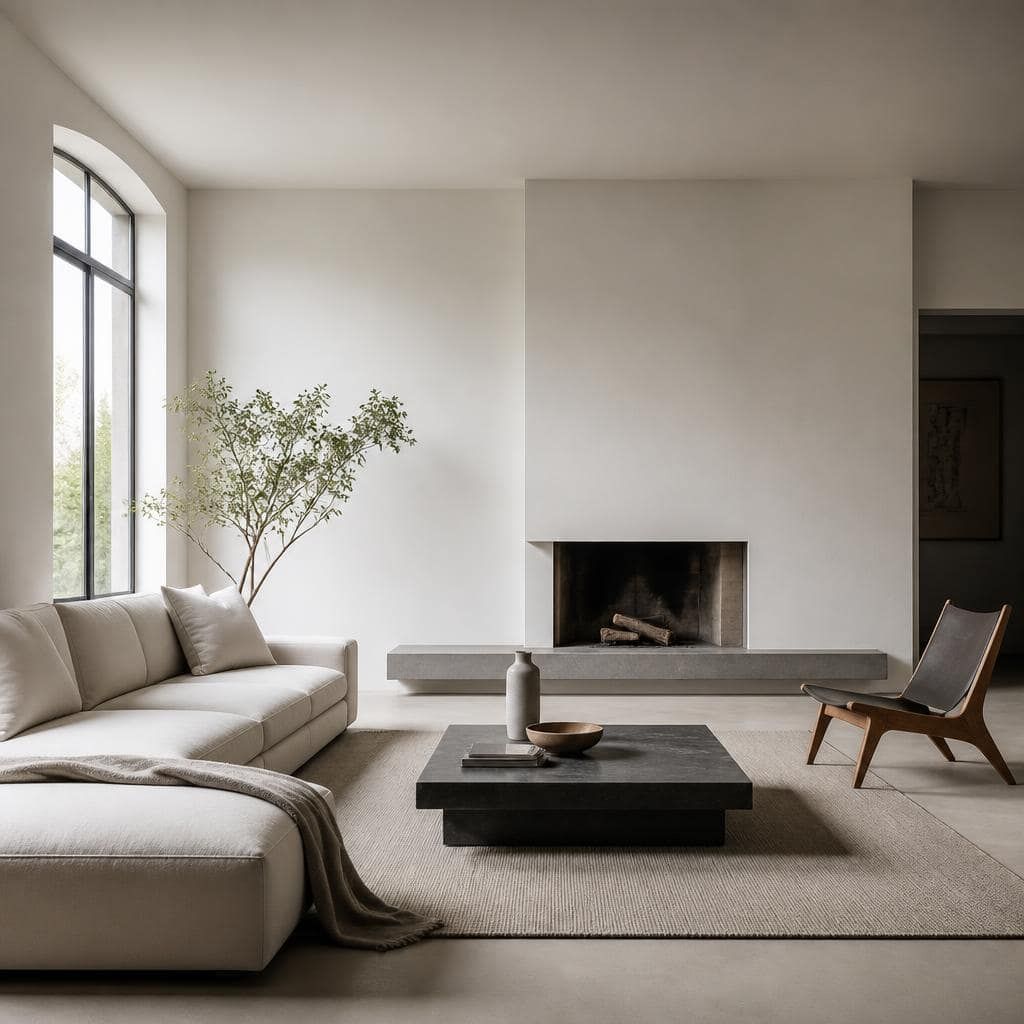
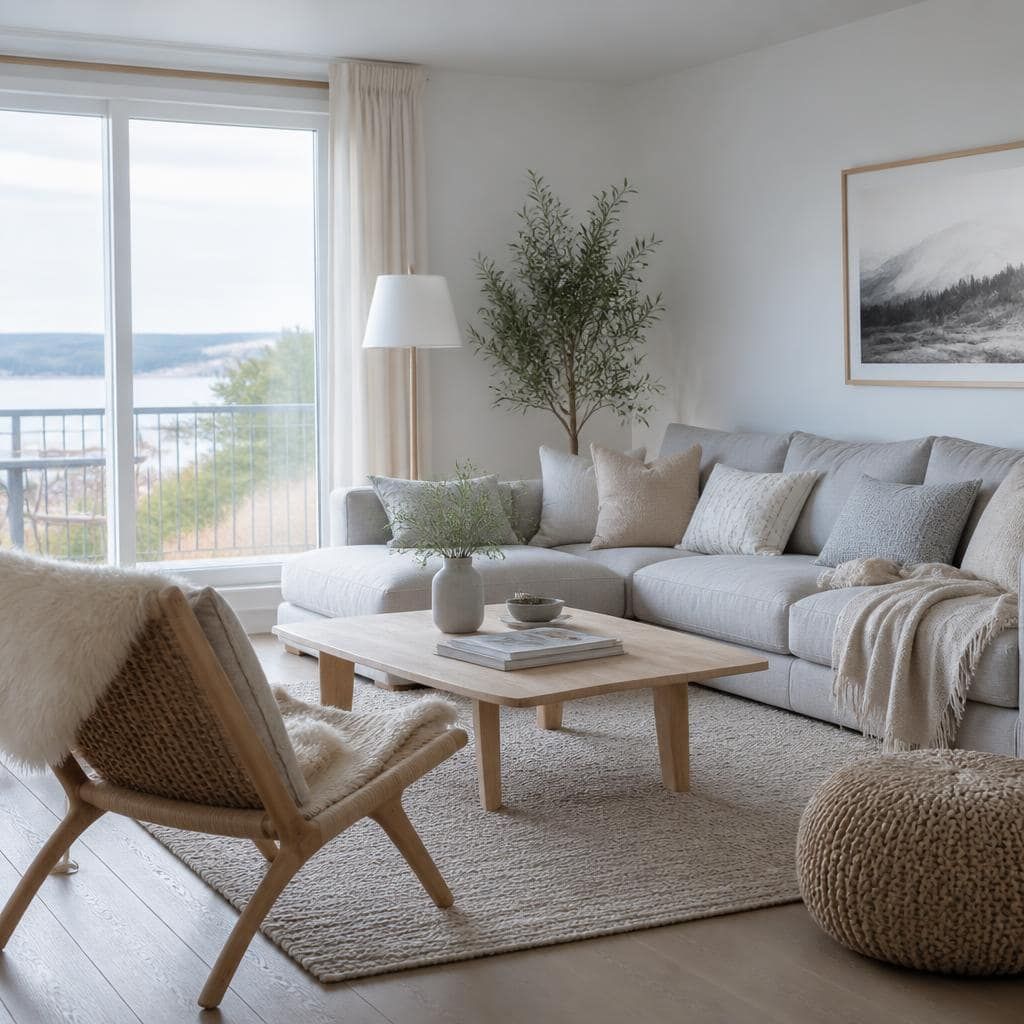
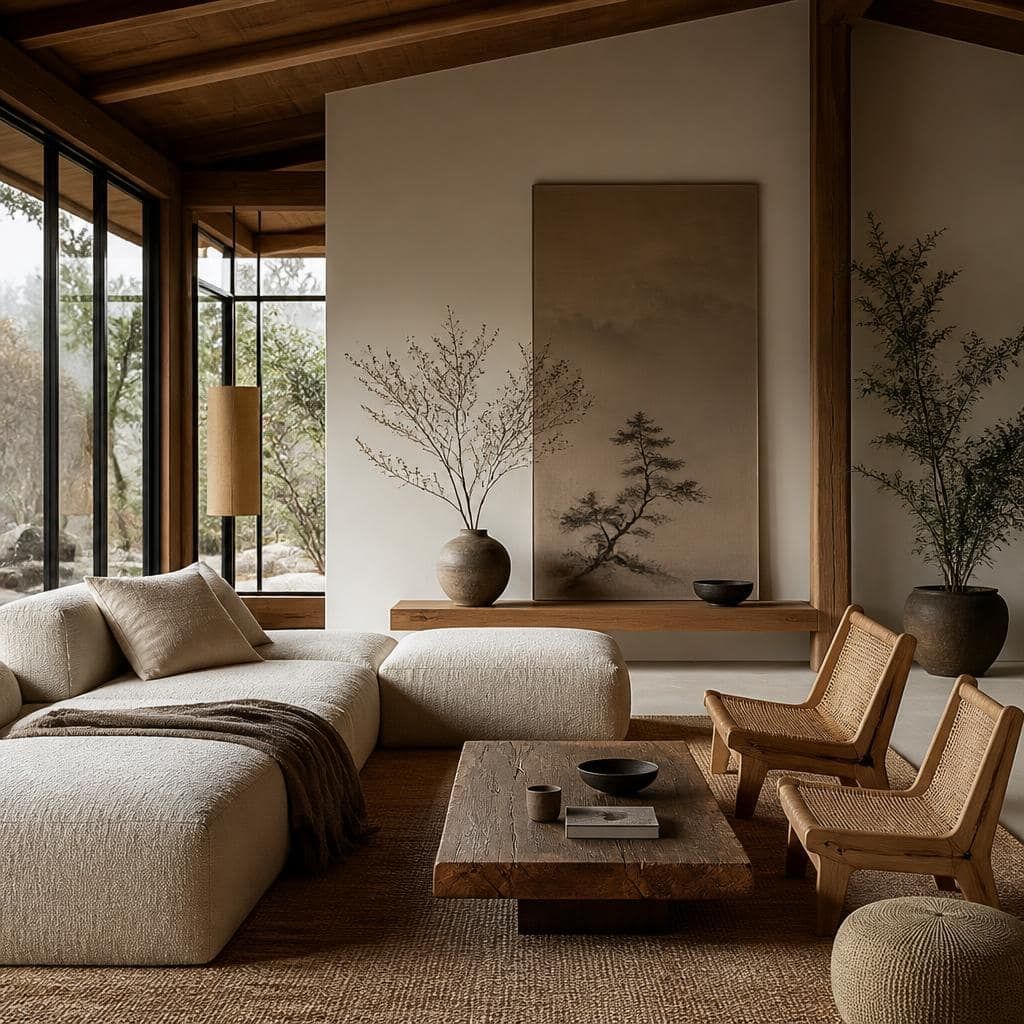
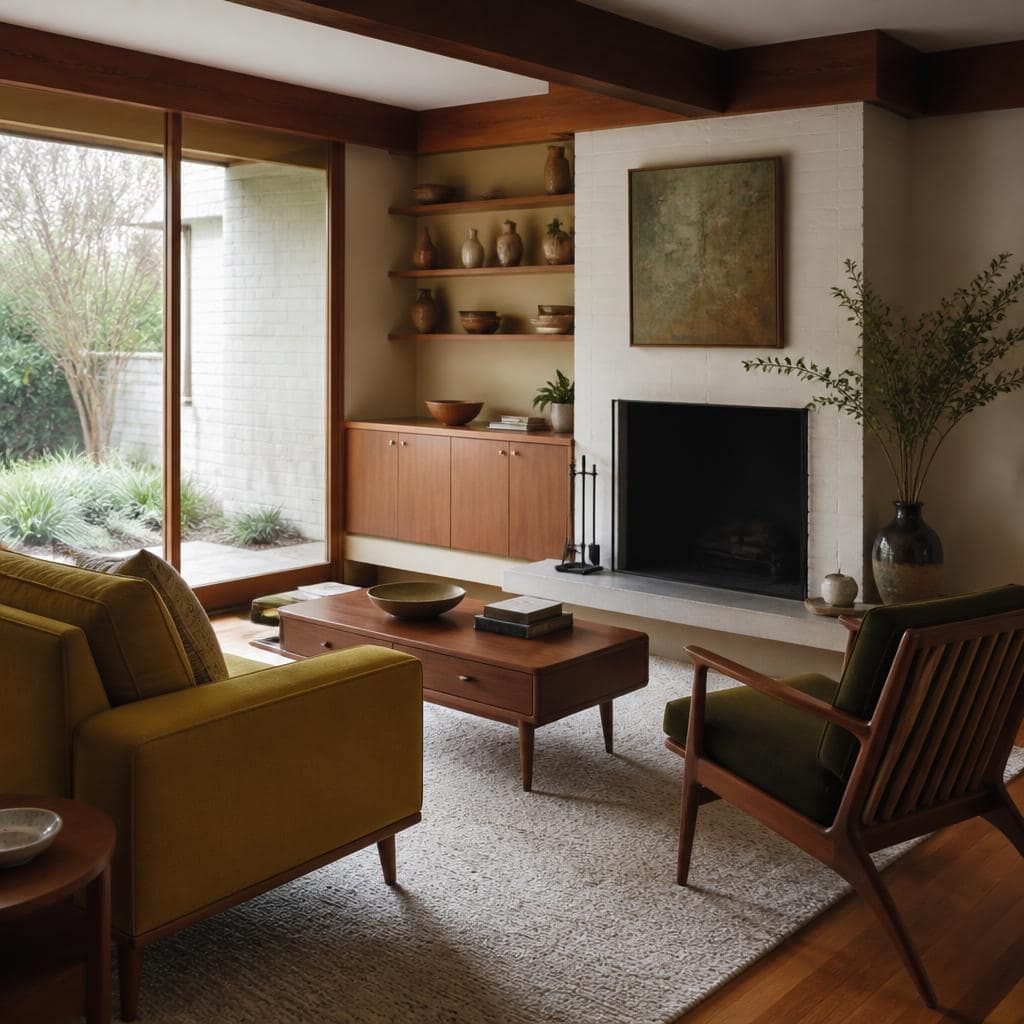
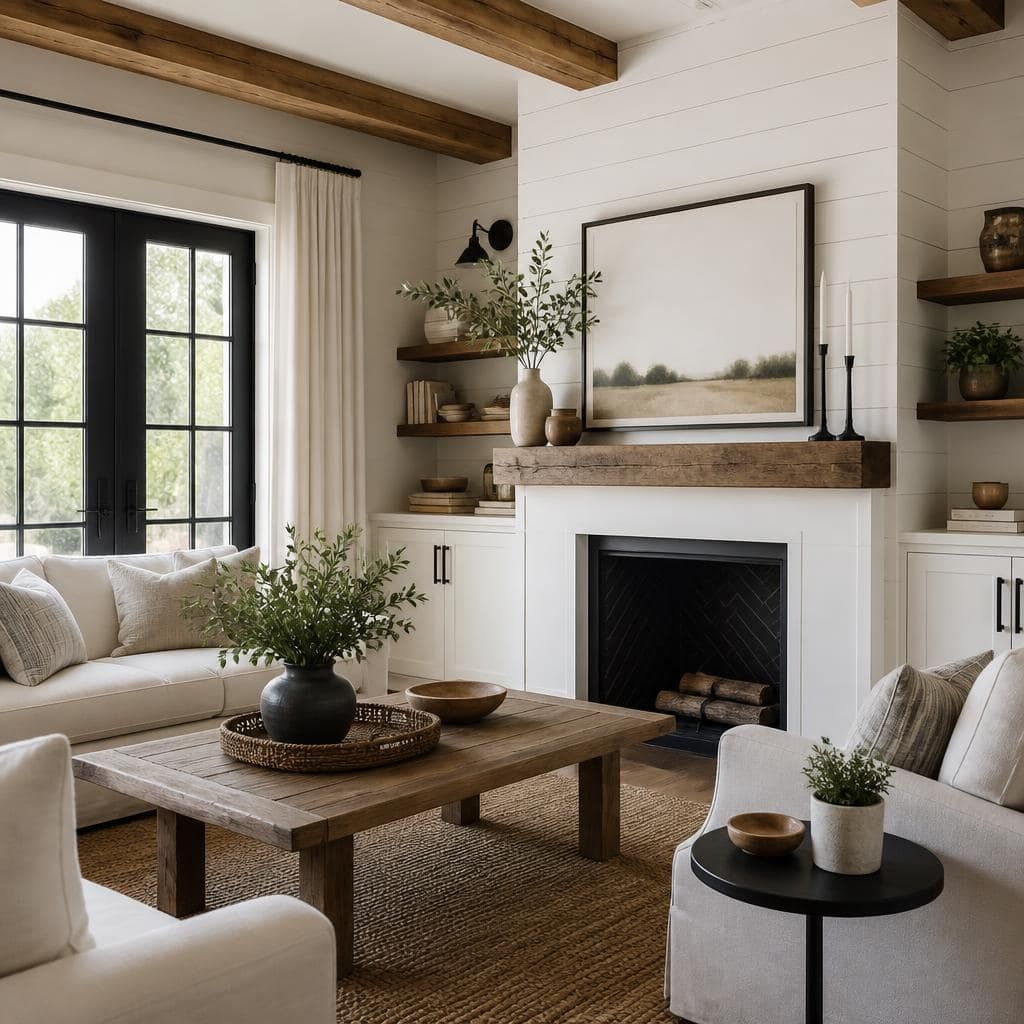
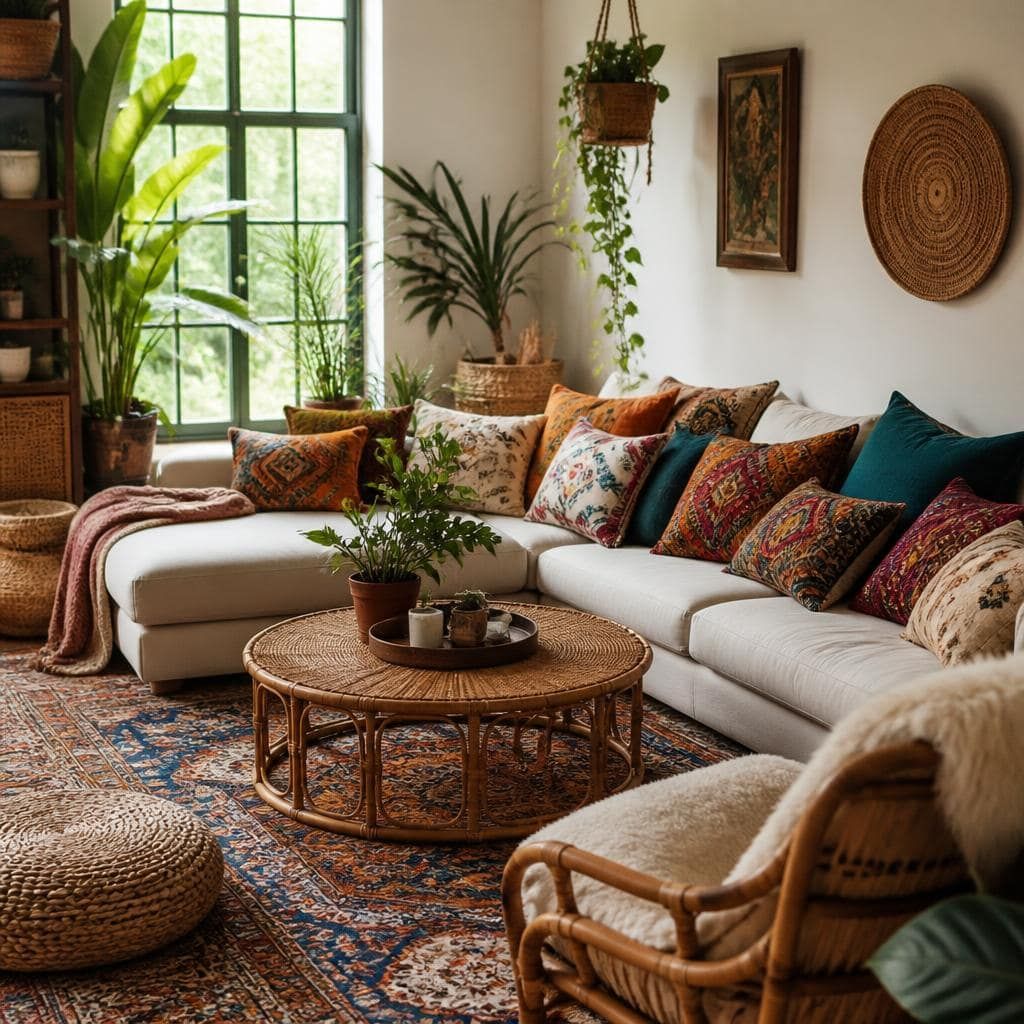
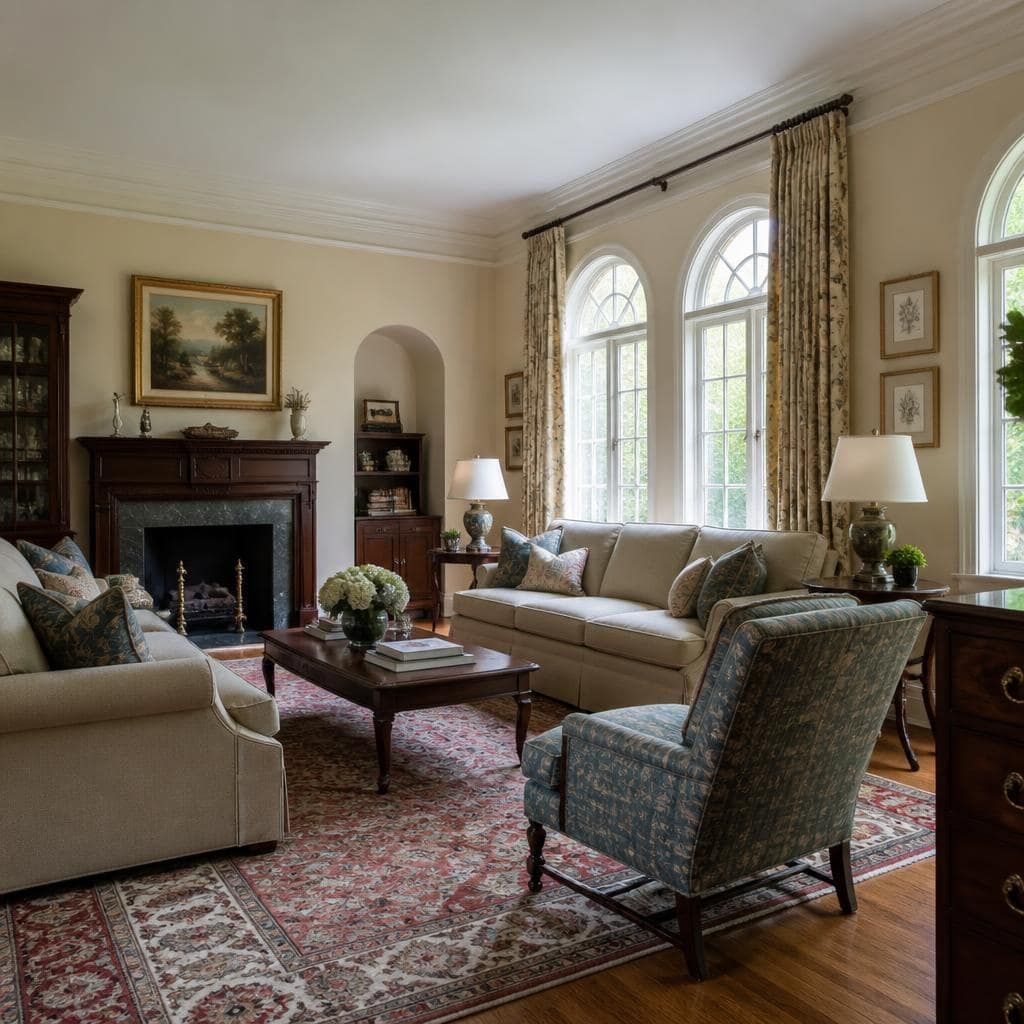
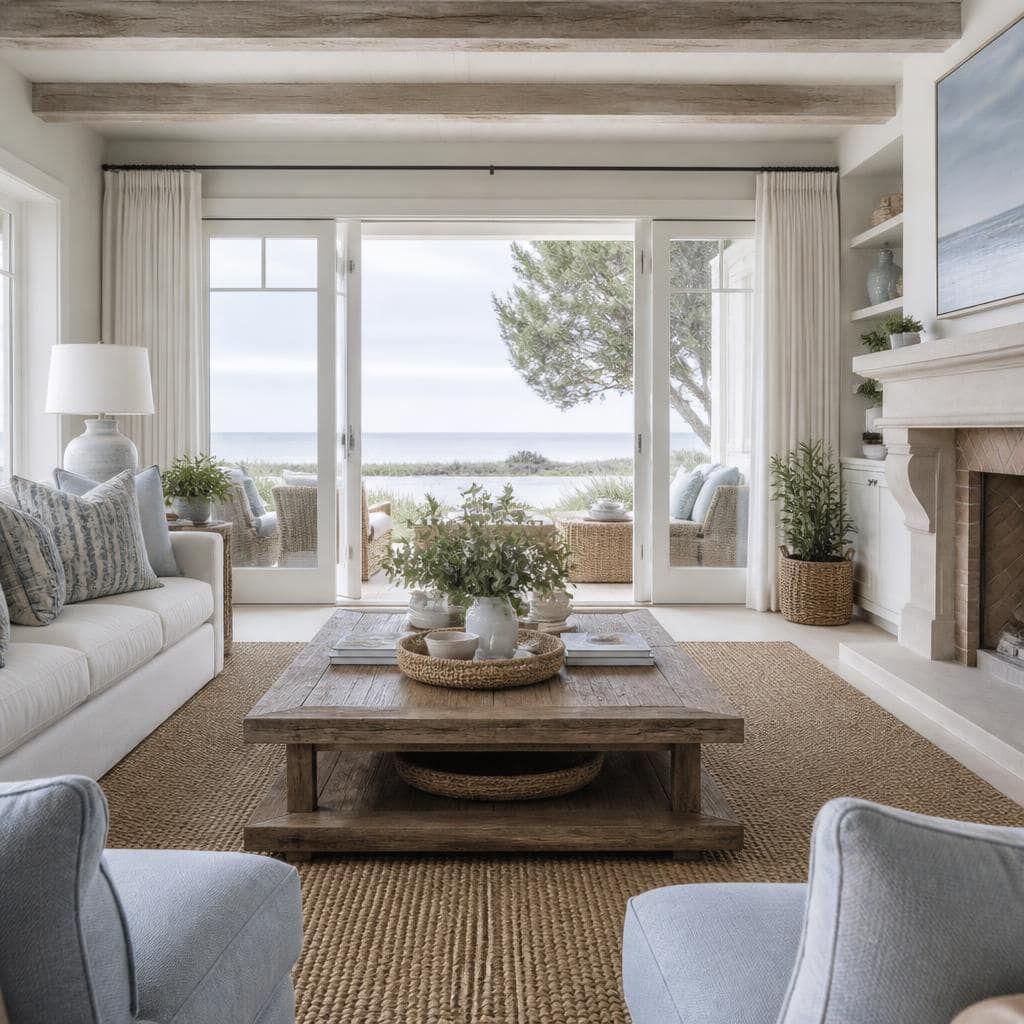
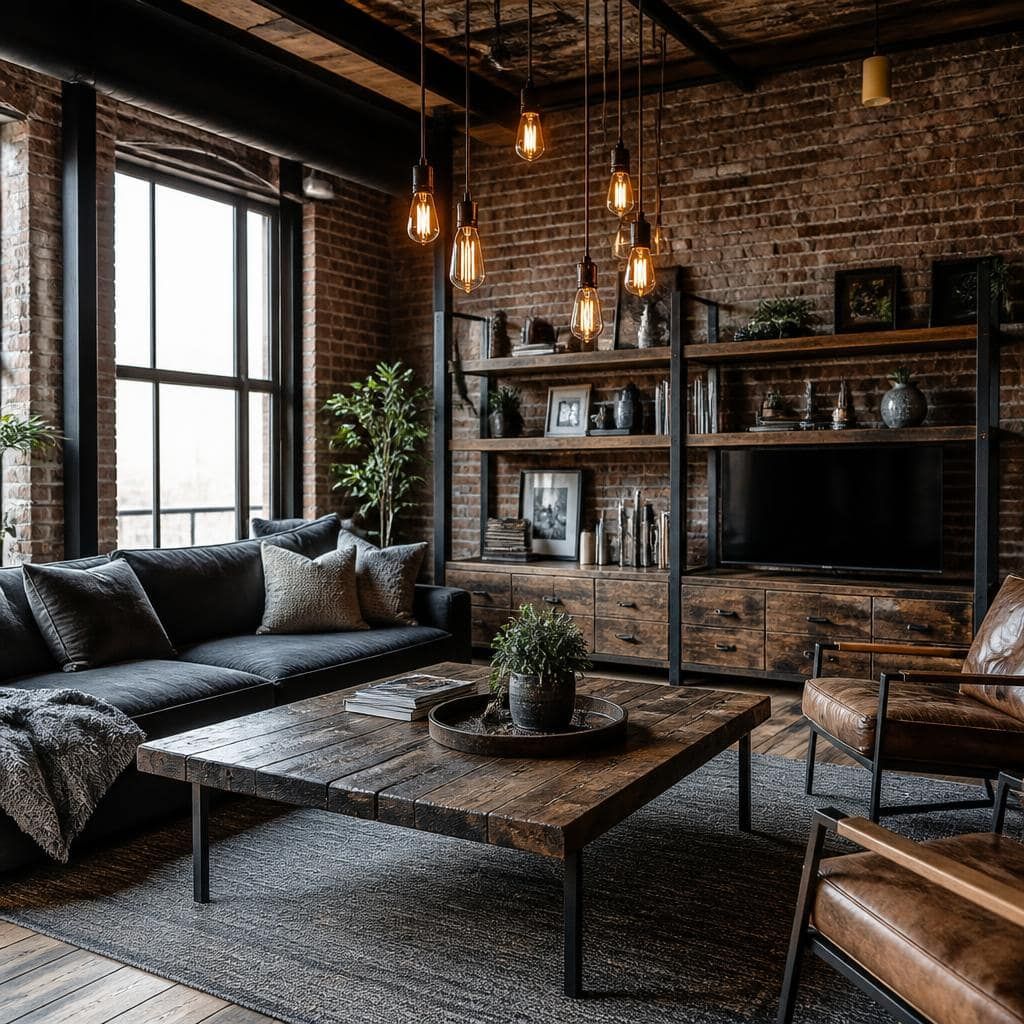
Almost no beautiful home is one pure style. The good ones blend — a modern base with mid-century pieces, farmhouse warmth held together by clean lines. Mixing isn't breaking the rules; it's the whole craft.
Try it on your own room
Reading about style only gets you so far. Run the same room through two or three styles in the design studio and you'll know within seconds which one is yours.
 Chapter two
Colour & paint, demystified
Paint is the highest-impact, lowest-cost change in all of design — when the colour is right. When it's wrong, it's the cheapest change to regret.
Why the swatch lied to you
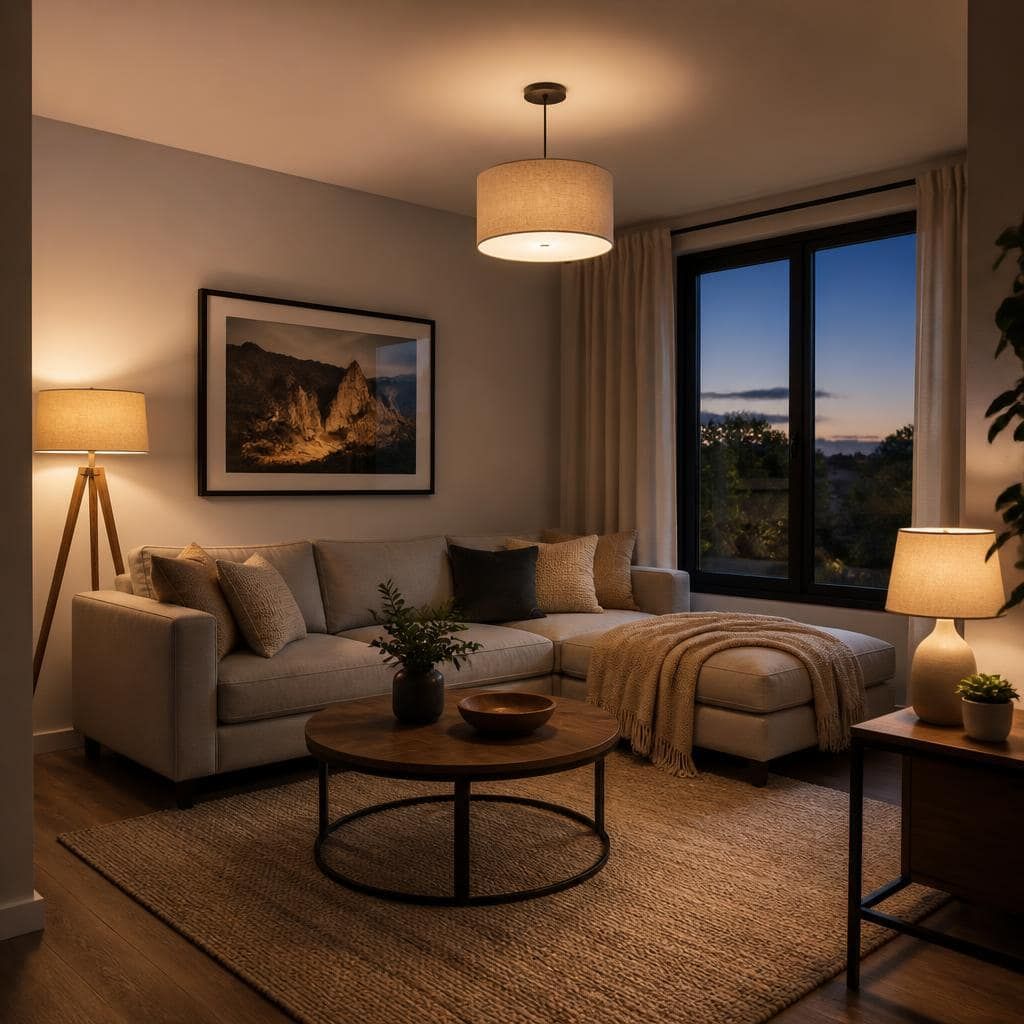
The same colour shifts with the direction your windows face, the time of day, and the bulbs you own. North-facing rooms cool a colour down; warm bulbs push it yellow. This is why a chip taped to the wall never quite tells the truth — and why previewing colour on a photo of your own room does.
Six colours that work in real homes
The same corner, six ways. Notice how much the light changes each one.


What we tell every client
- Muted, grey-softened colours age far better on big walls than saturated ones
- An accent wall works when the room has an obvious focal wall — otherwise commit to the whole room
- Finish matters as much as colour: matte or eggshell on walls, satin or semi-gloss on trim and in wet areas
- Paint the ceiling a shade lighter than the walls and the room lifts
- Always live with a large sample for two full days before you commit — morning light and lamplight both
 Chapter three
Floors & materials
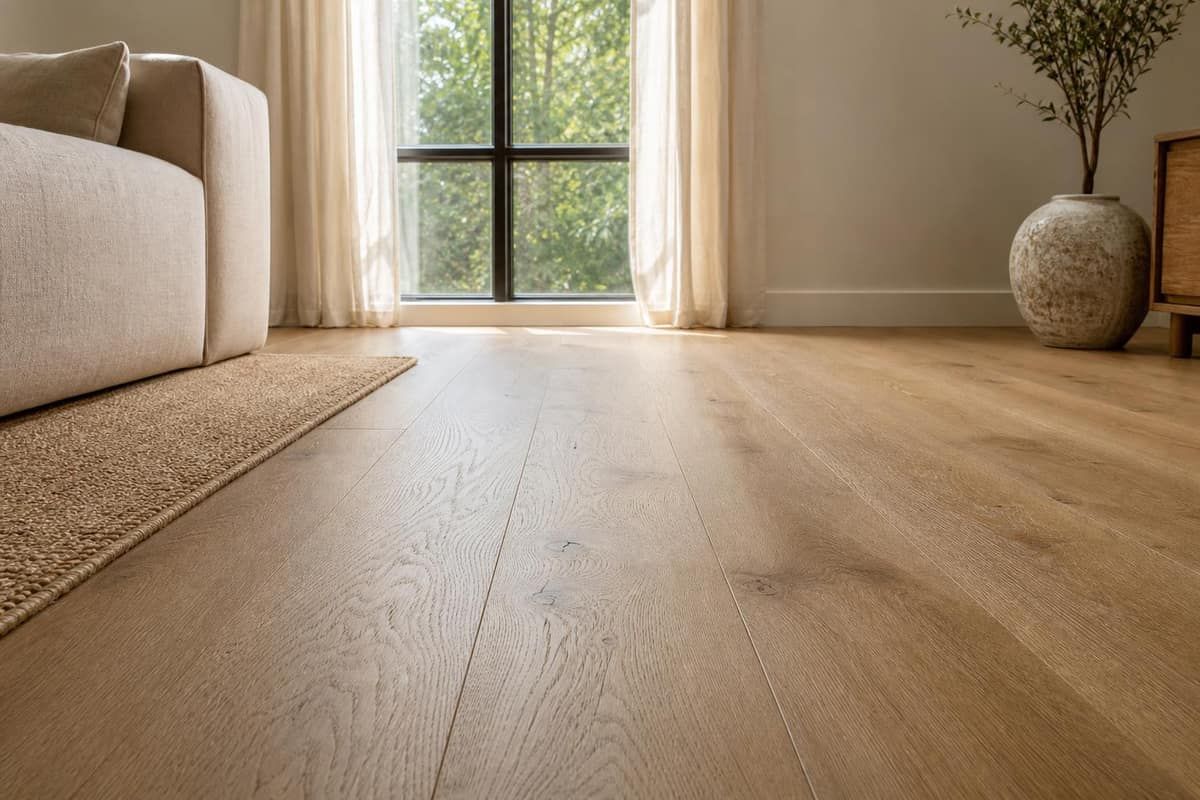
New floors change everything above them. They're also the hardest thing to redo, so this is the decision worth slowing down for.
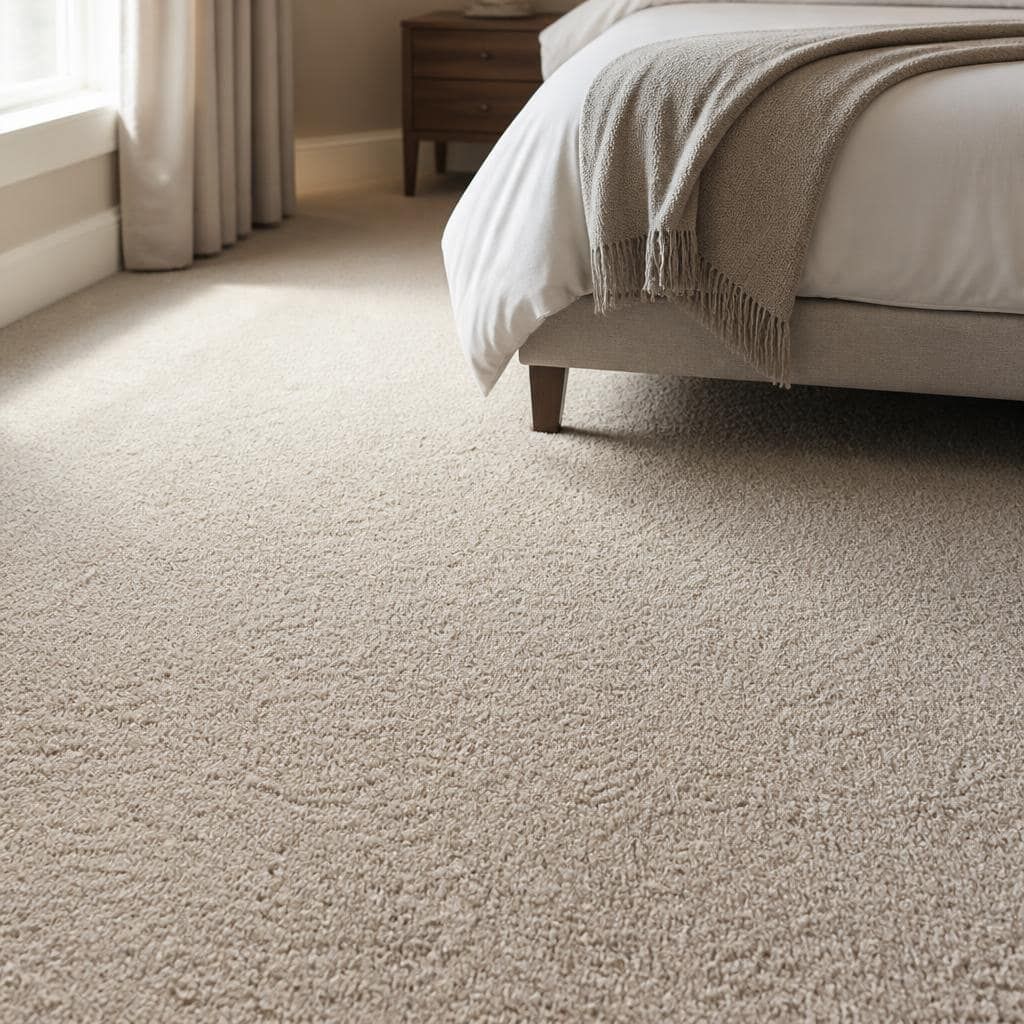
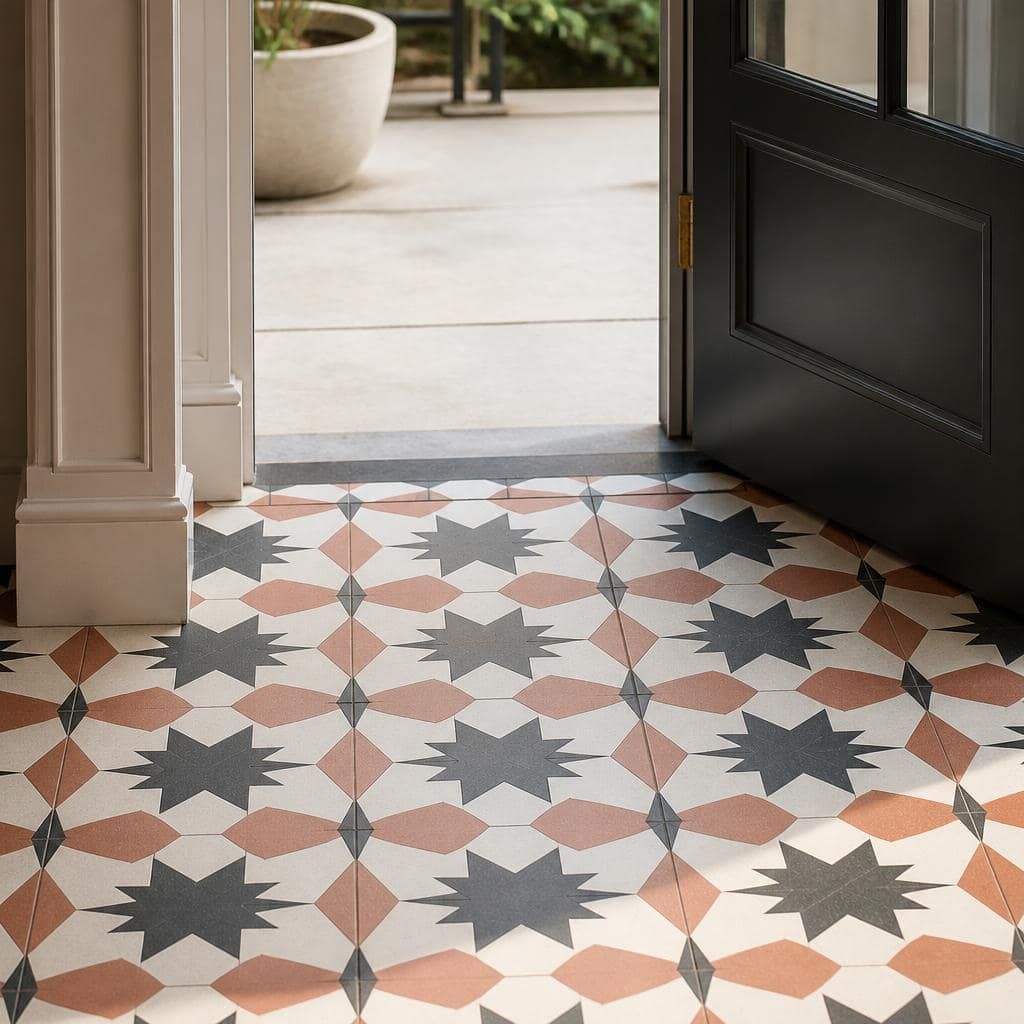
The main contenders
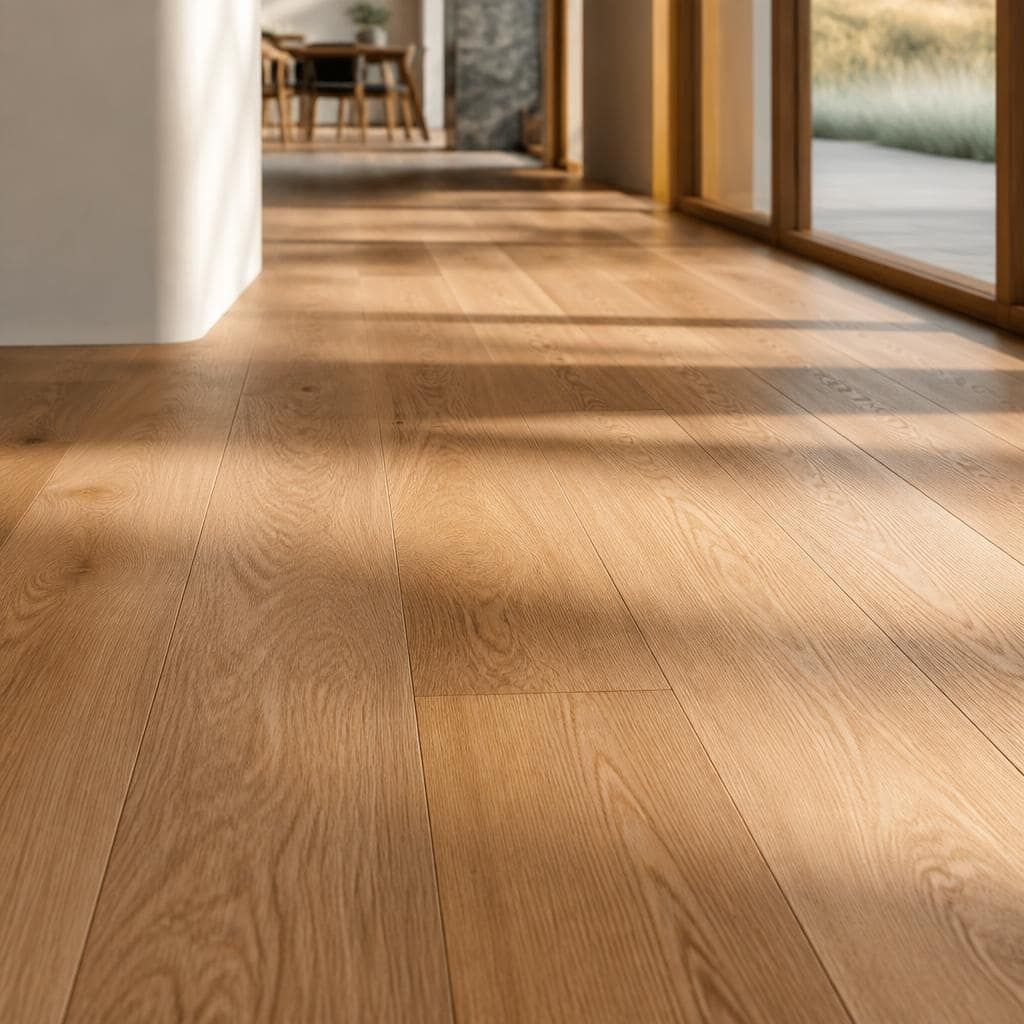
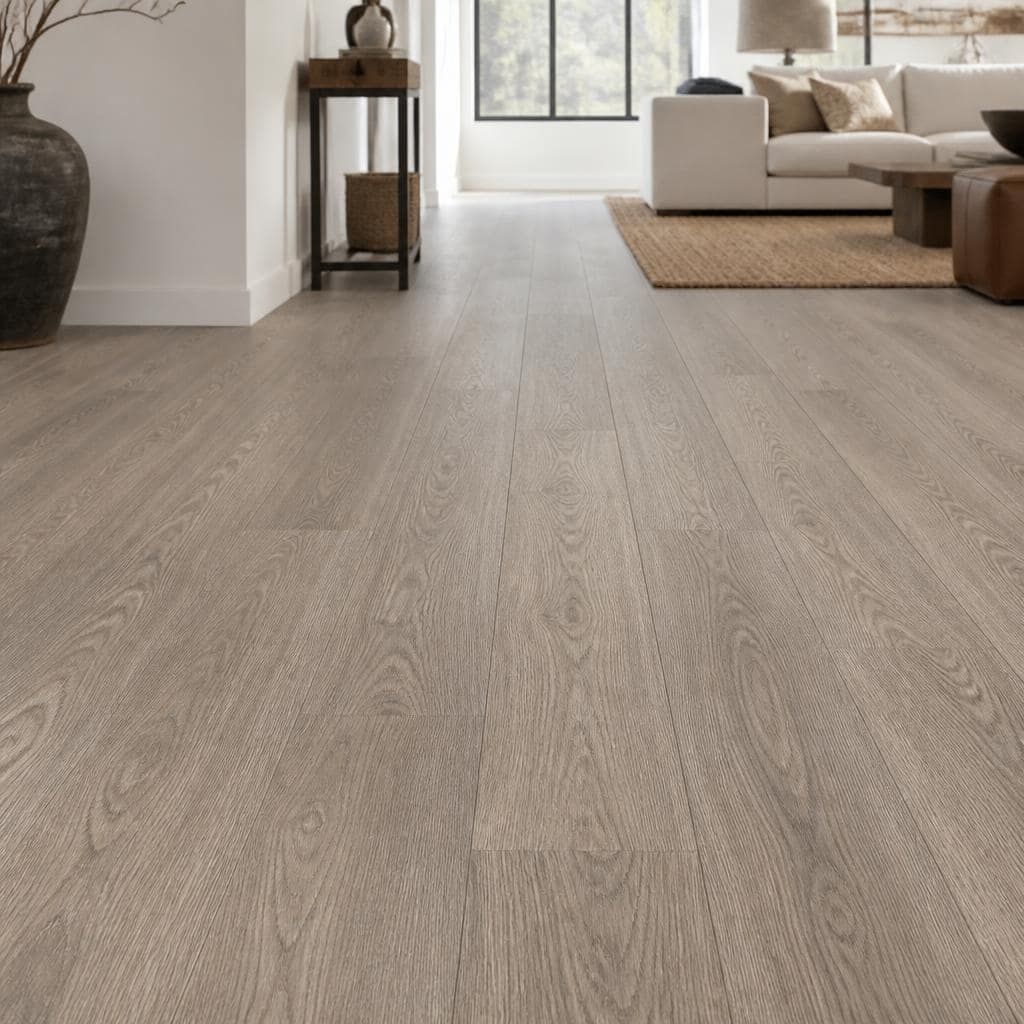
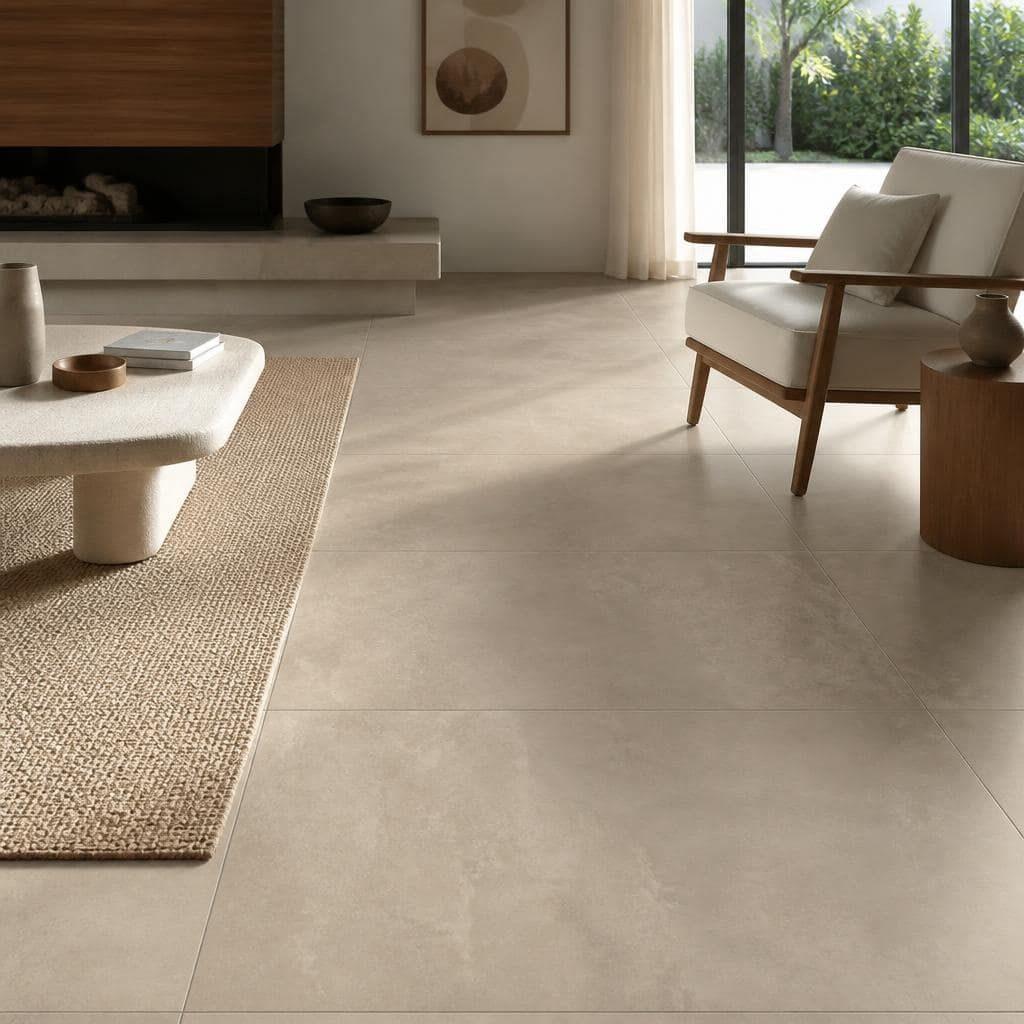
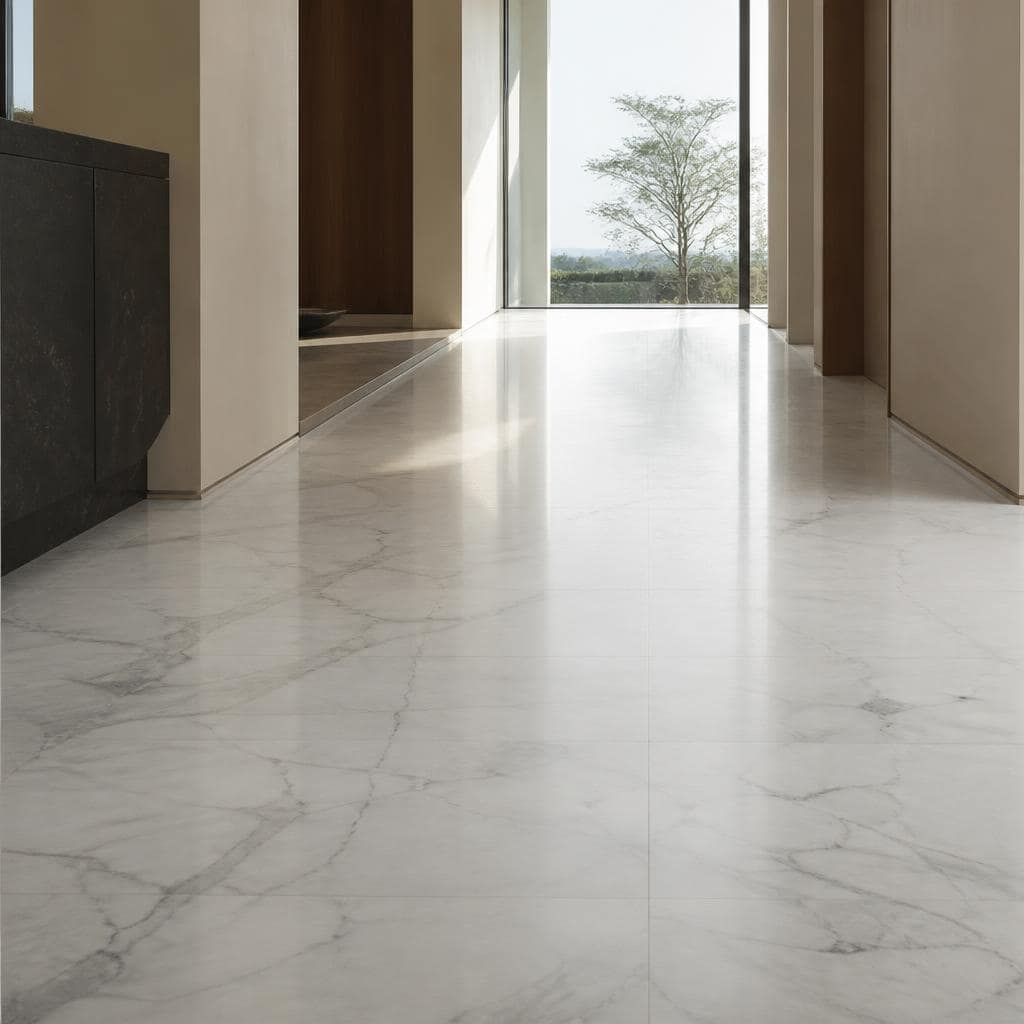
What designers actually weigh
- Pets and children push you straight to scratch and water resistance — LVP or tile
- Resale rewards hardwood and quality tile more reliably than anything else
- In an open plan, one continuous floor makes the whole level read larger
- Wide planks laid toward the light look most current and lengthen a room
- Sample in your own room, at your own light — flooring shifts as much as paint does
 Chapter four
The rules that make a room work
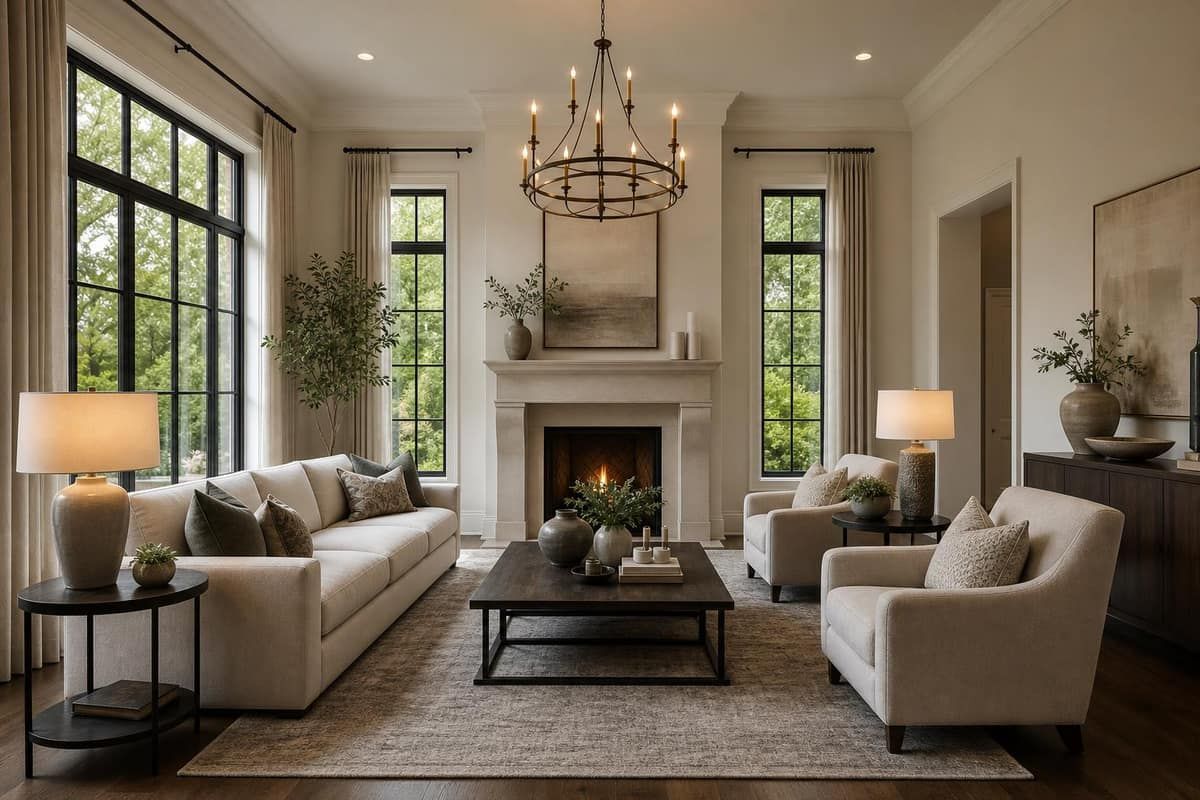
When a room feels 'off' but you can't say why, it's almost always one of these four. None of them cost anything to get right.
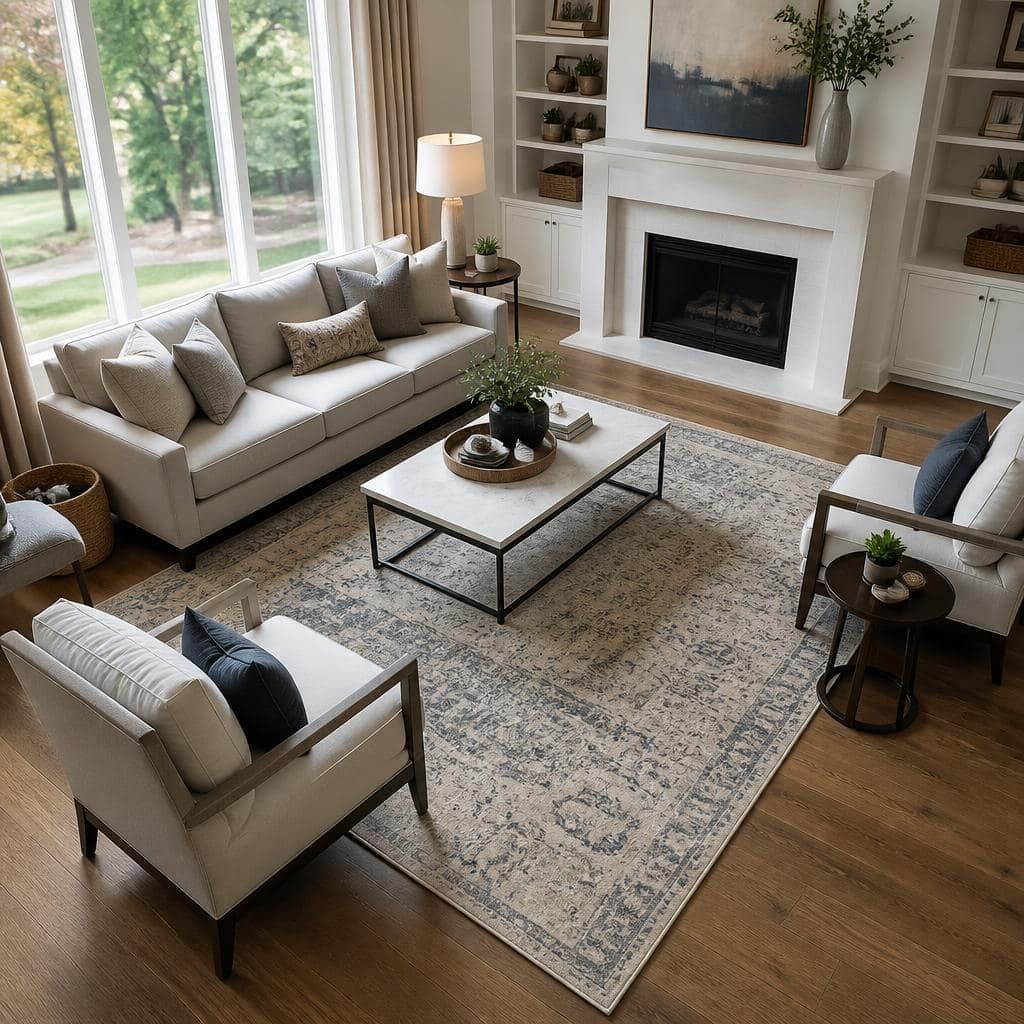
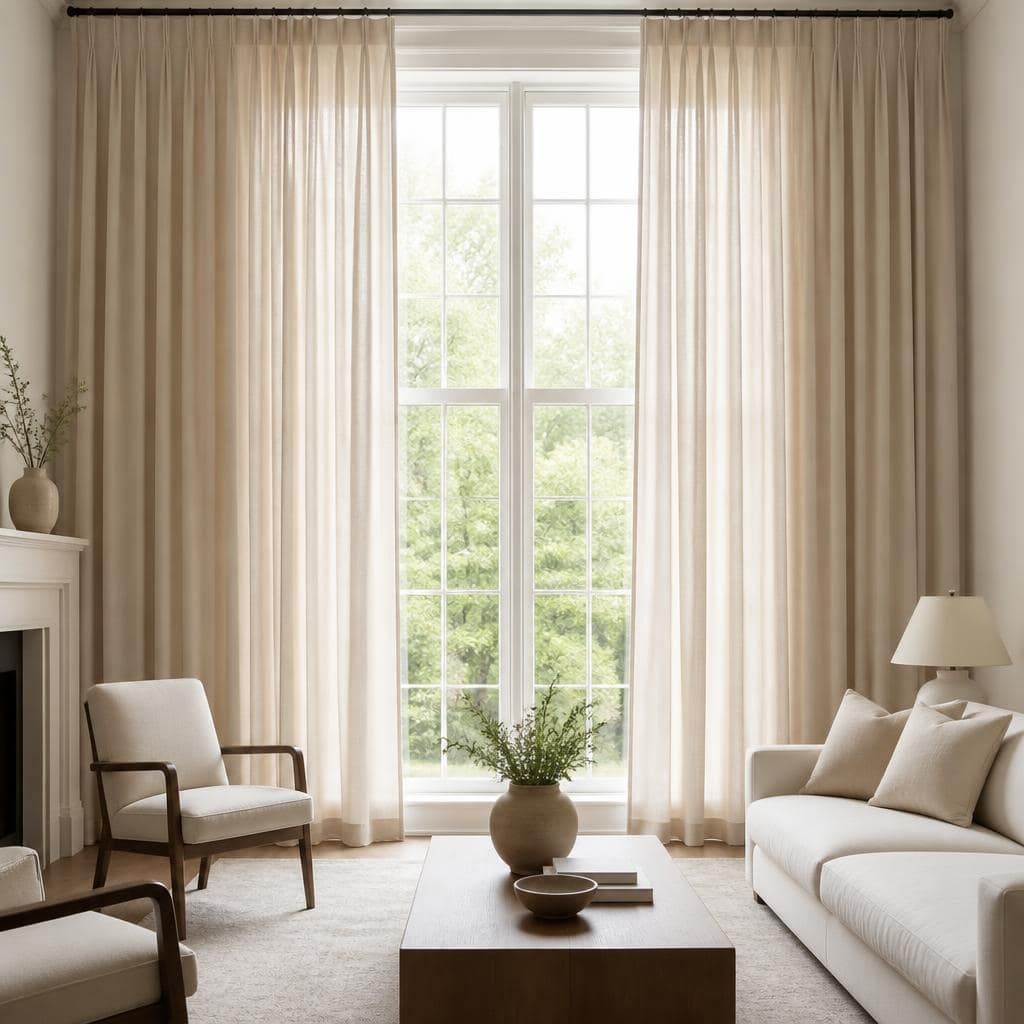
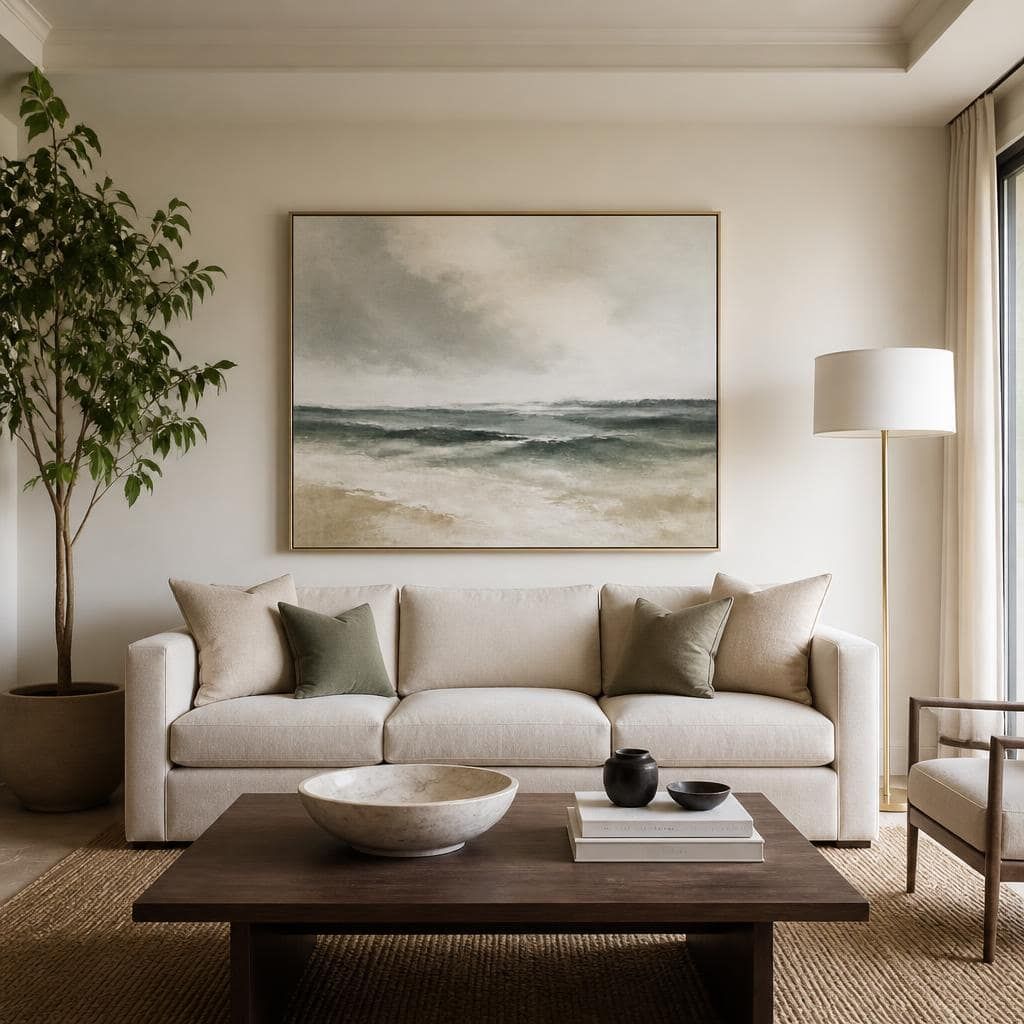
Style odd numbers — threes and fives. It's the oldest trick in the playbook and it still works on everyone, including us.
 Chapter five
What it actually costs
The number one reason people live for years in a room they don't love is not knowing what it would take to change it. So let's take the mystery out.
Three levers, and only three
- Scope — one room or a whole level; a styling refresh or a full furnishing
- Furnishing tier — budget-smart, mid-range, or designer pieces
- Trades — paint, floors and lighting add labour, and transform results
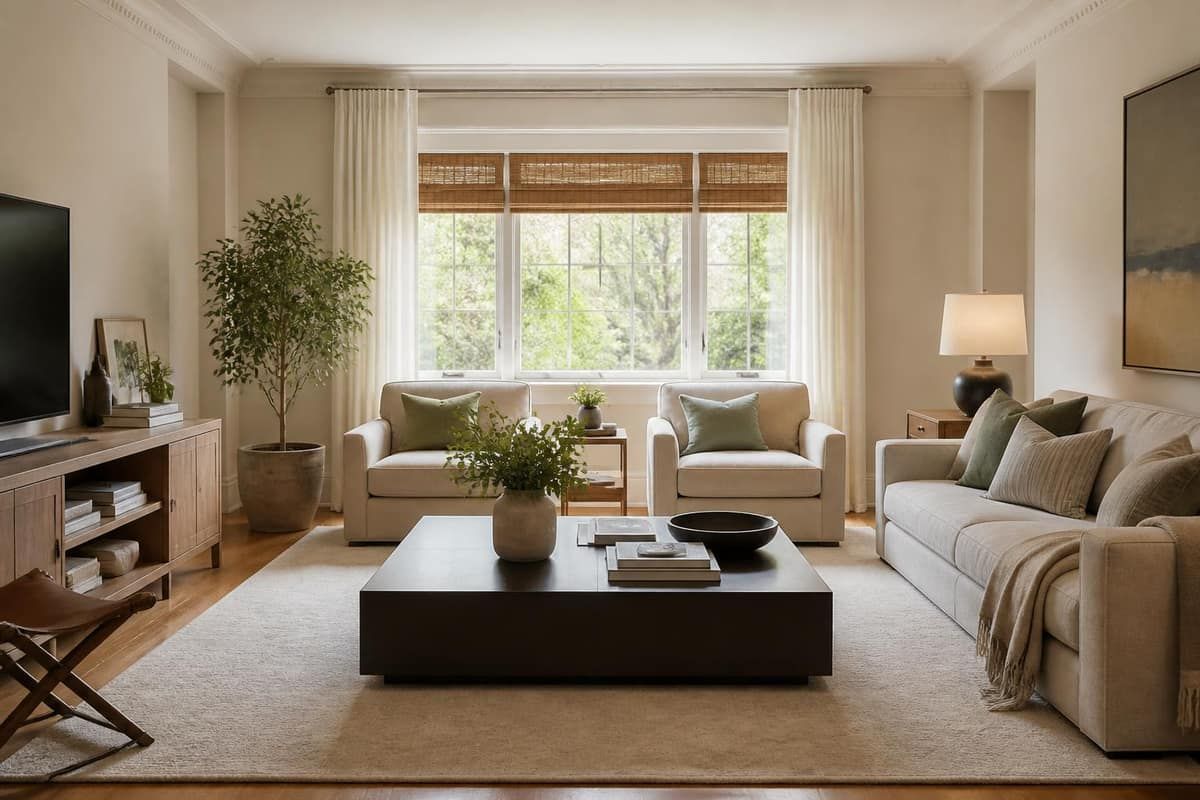
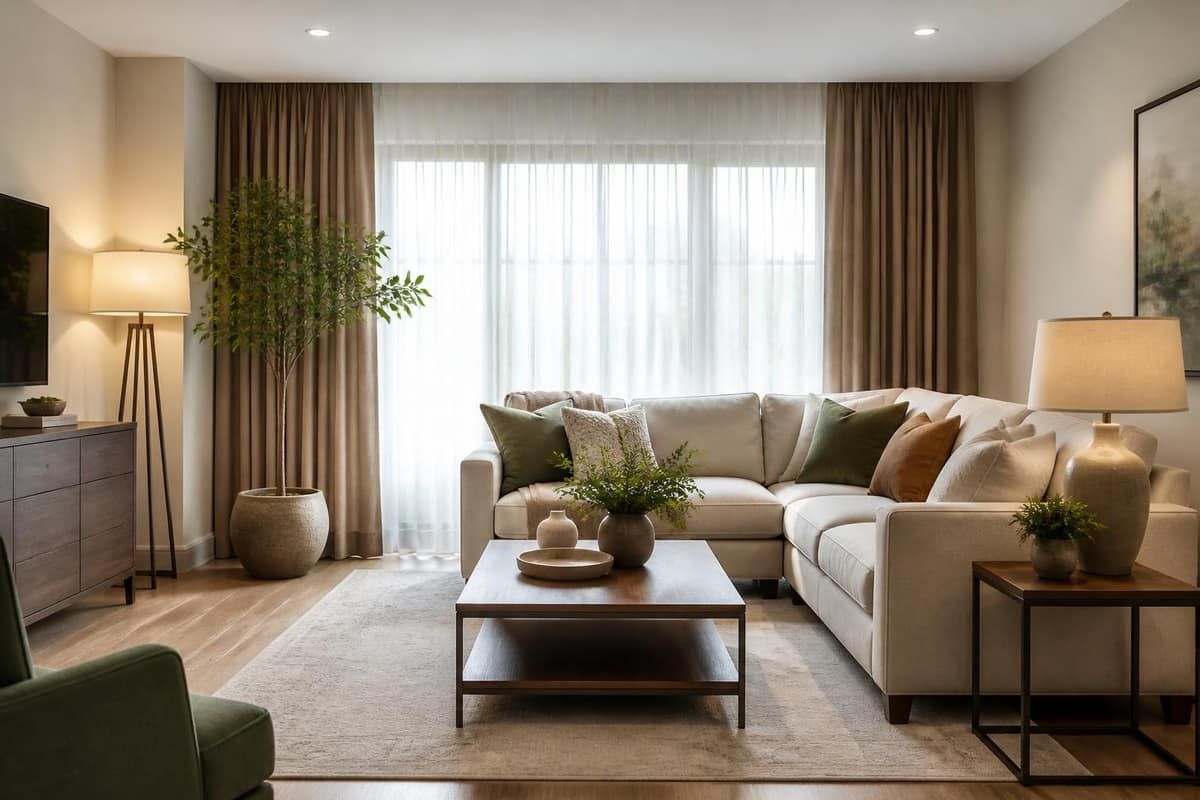
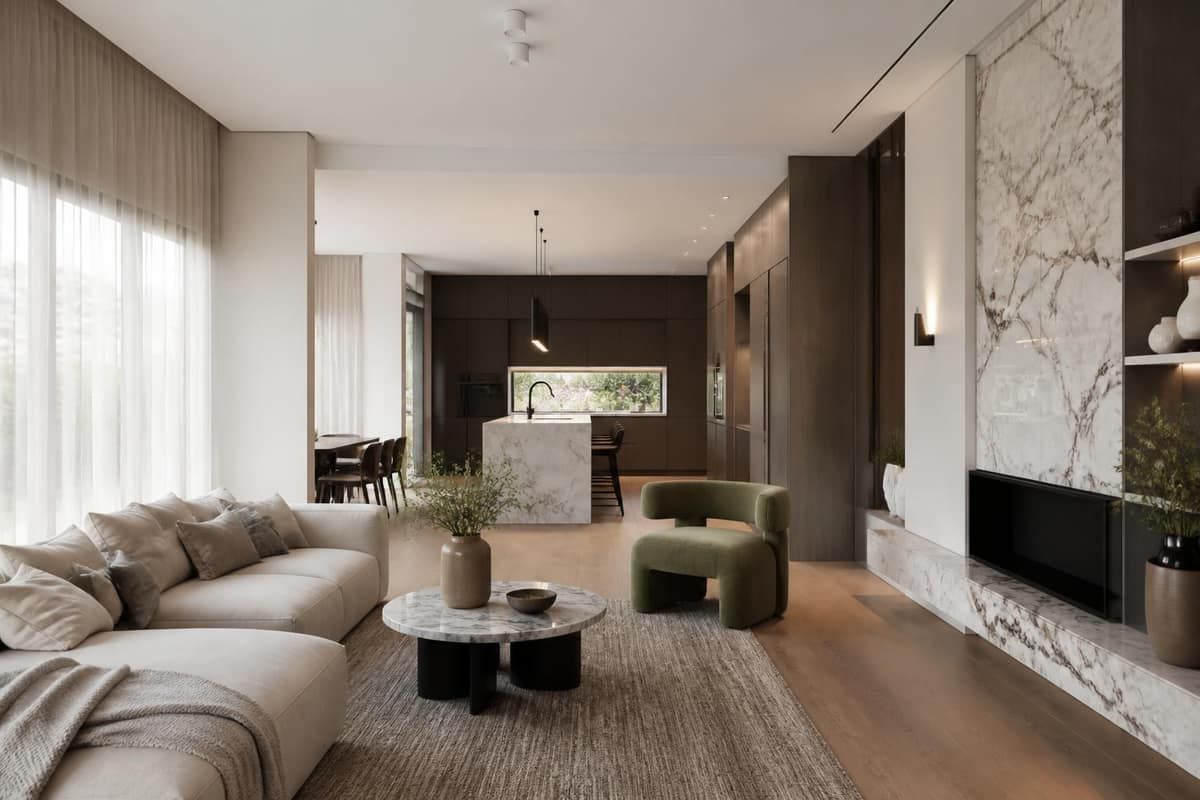
Three ways clients start
Most projects begin at one of these three depths, and grow from there.
Phasing is not a compromise
Most homes are best done room by room. Start with the room you actually live in, let it set the palette, and extend it through the house over a year or two. Done deliberately, phasing looks intentional — and it's how most of our favourite projects have gone.
Where to save, where to spend
- Save on accent decor, side tables and styling — the swap-friendly things
- Spend on the sofa you sit on every night, good window treatments, and lighting
- Paint is the best value in the entire industry. Never skip it, never cheap out on the prep
 Chapter six
How a project actually runs
Working with a studio is far simpler than most people expect. Here's the whole journey, from "I'm tired of this room" to the day you walk into a finished one.
 01
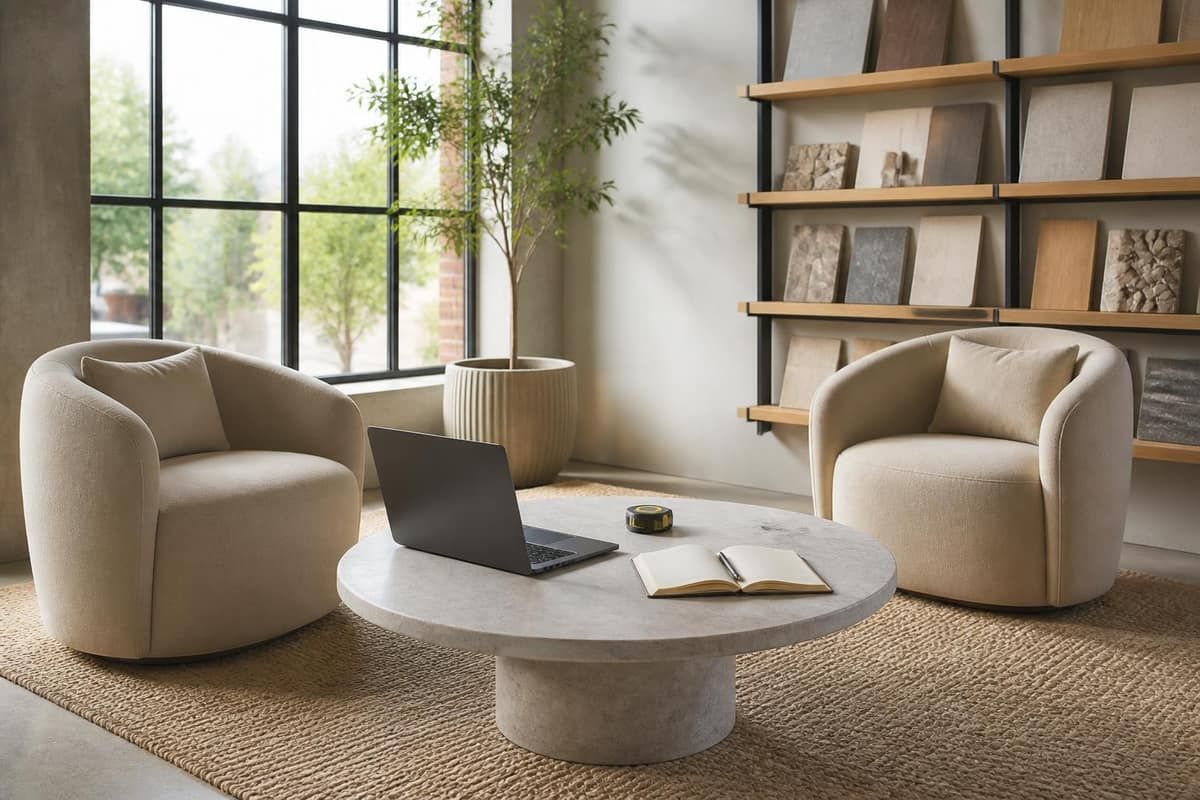
01The consultation
We talk about your space, your style, your budget, and how you actually live in the room. Photos and AI previews — like the ones you can make here — are a genuinely useful starting point.
 02
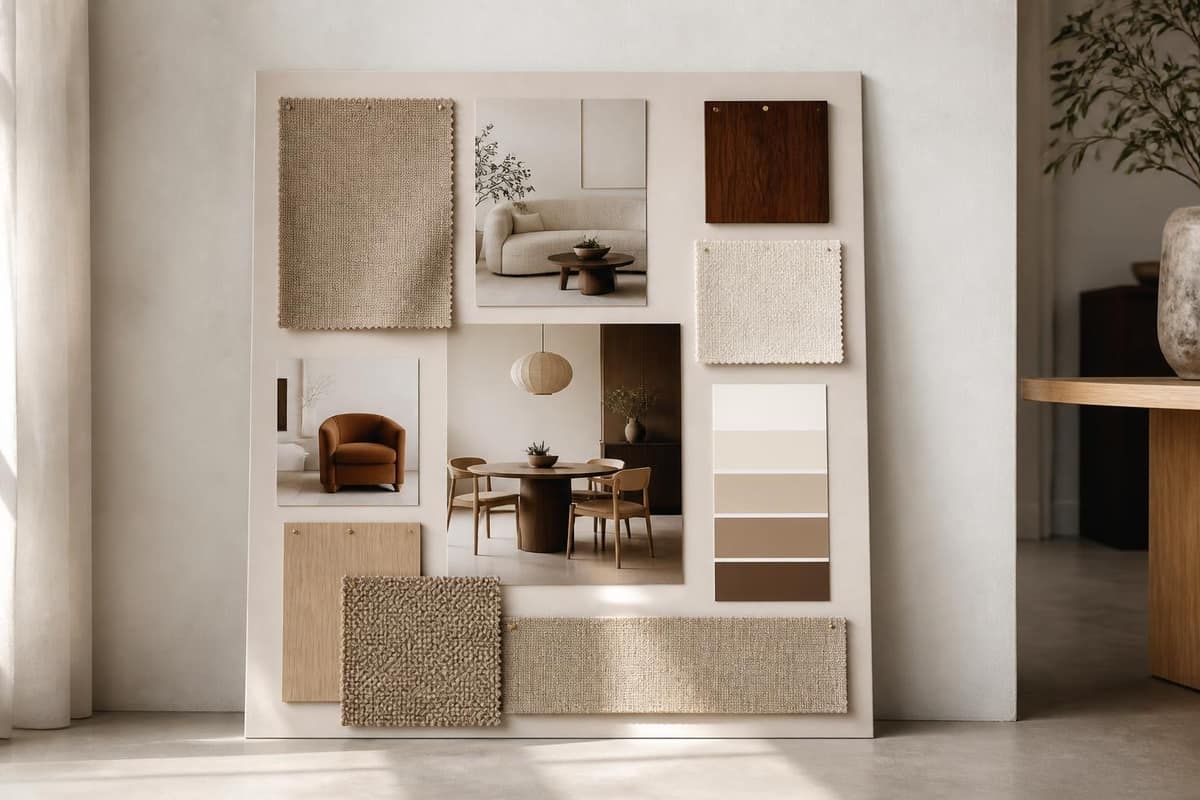
02Concept & mood board
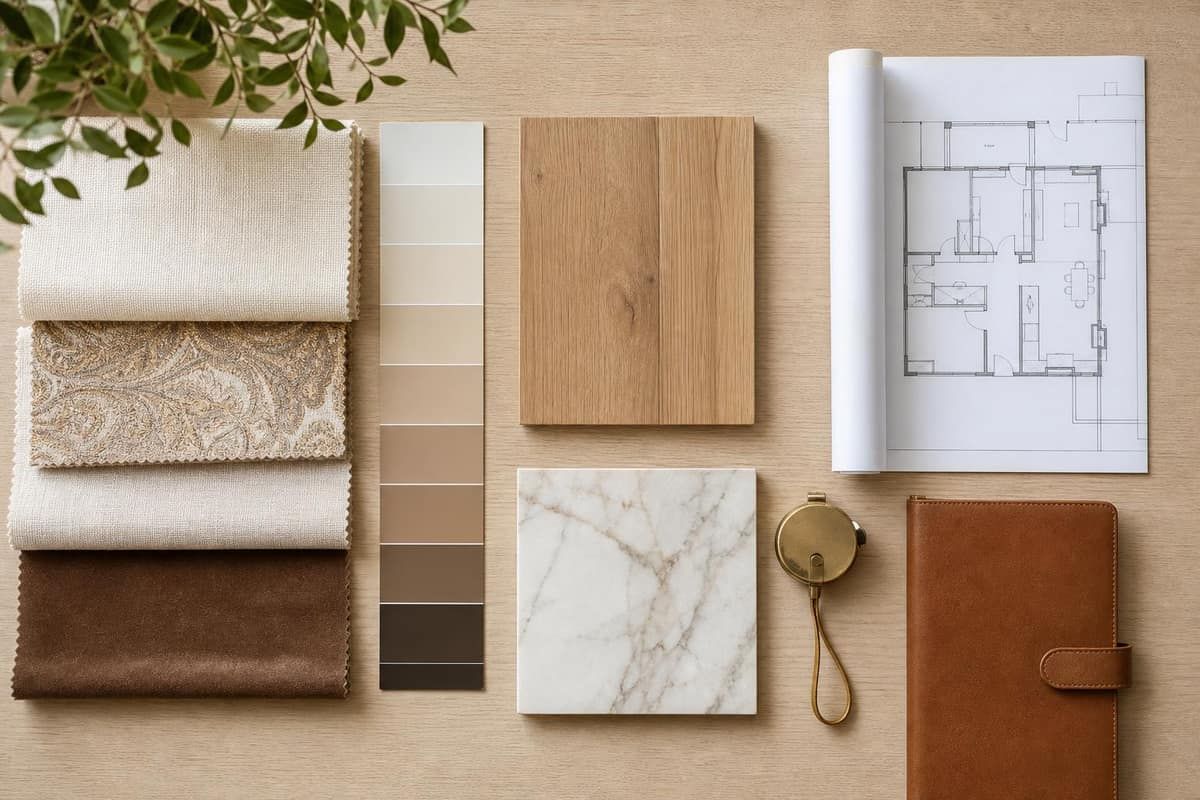
Your designer develops a direction: palette, key furniture, materials, and a layout drawn to your real measurements.
 03
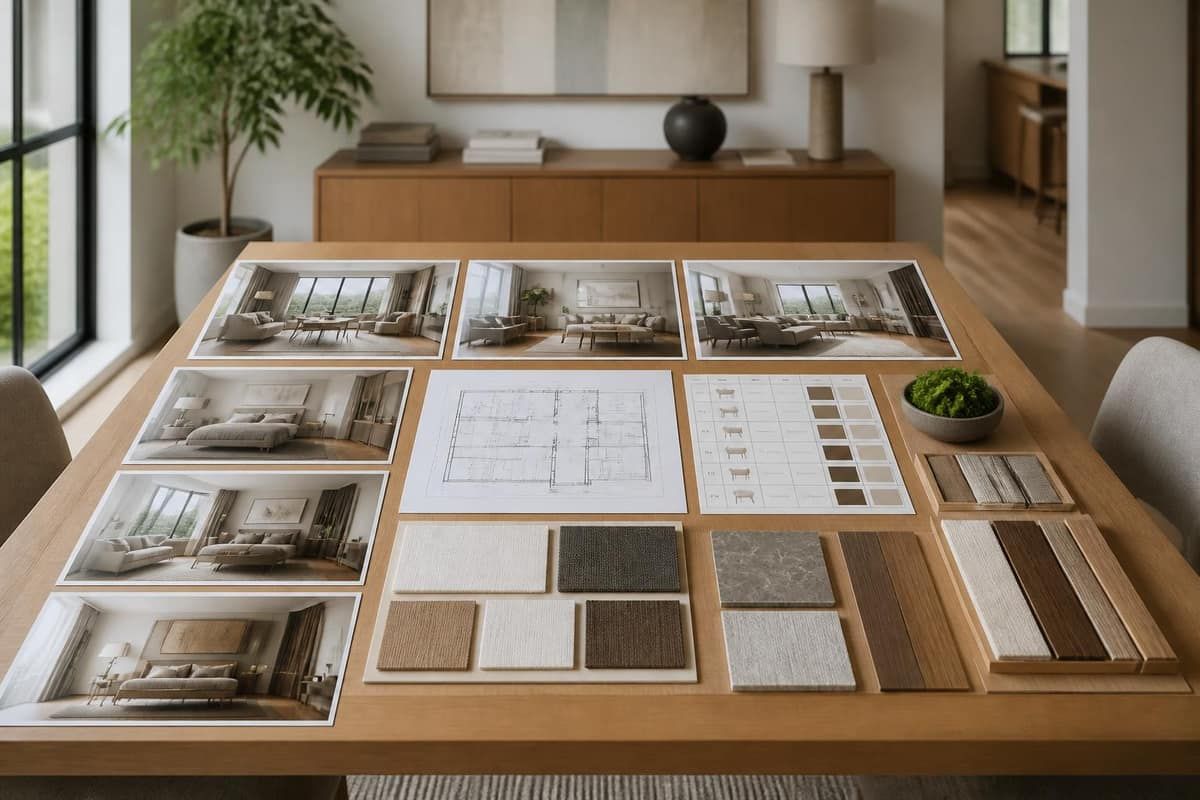
03The presentation
You see the full concept — visuals, a shoppable furniture list, and clear pricing. We revise it until you love it. Nothing is ordered before then.
 04
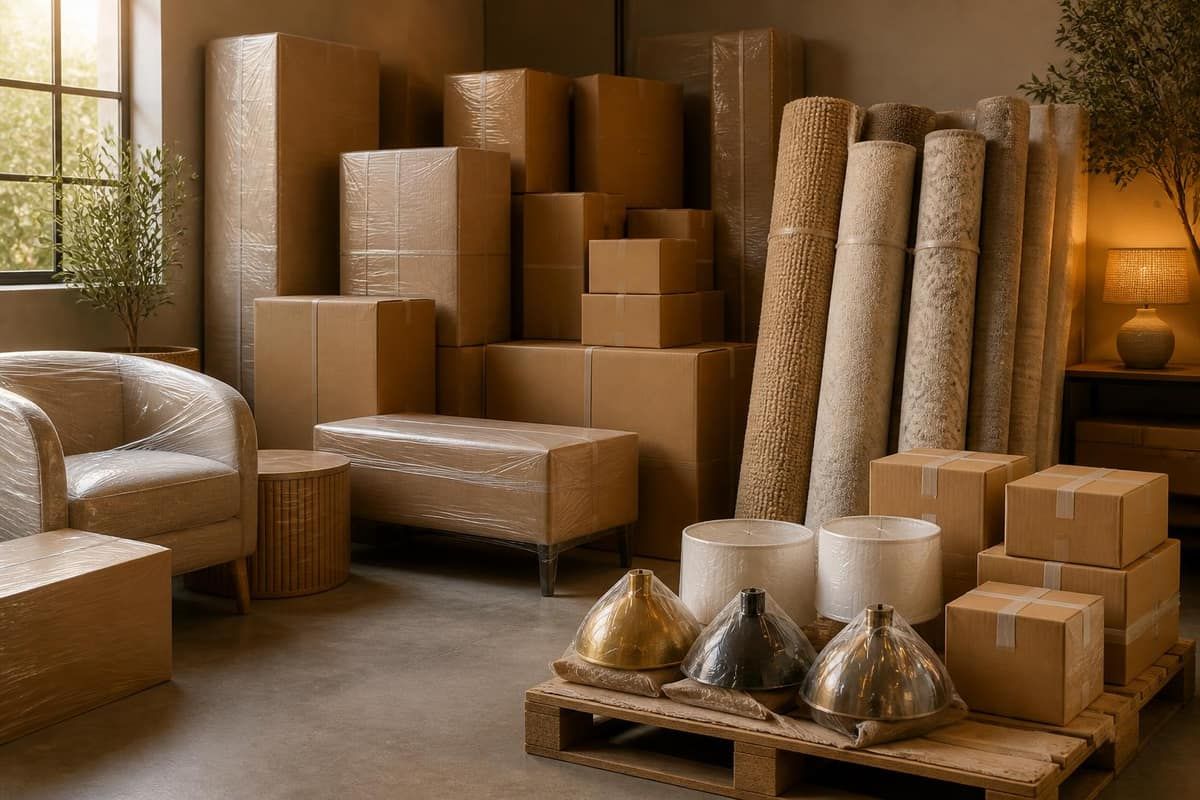
04Sourcing & trades
We order everything, schedule the painters and installers, and manage deliveries. You don't project-manage anything.
 05
05Install day
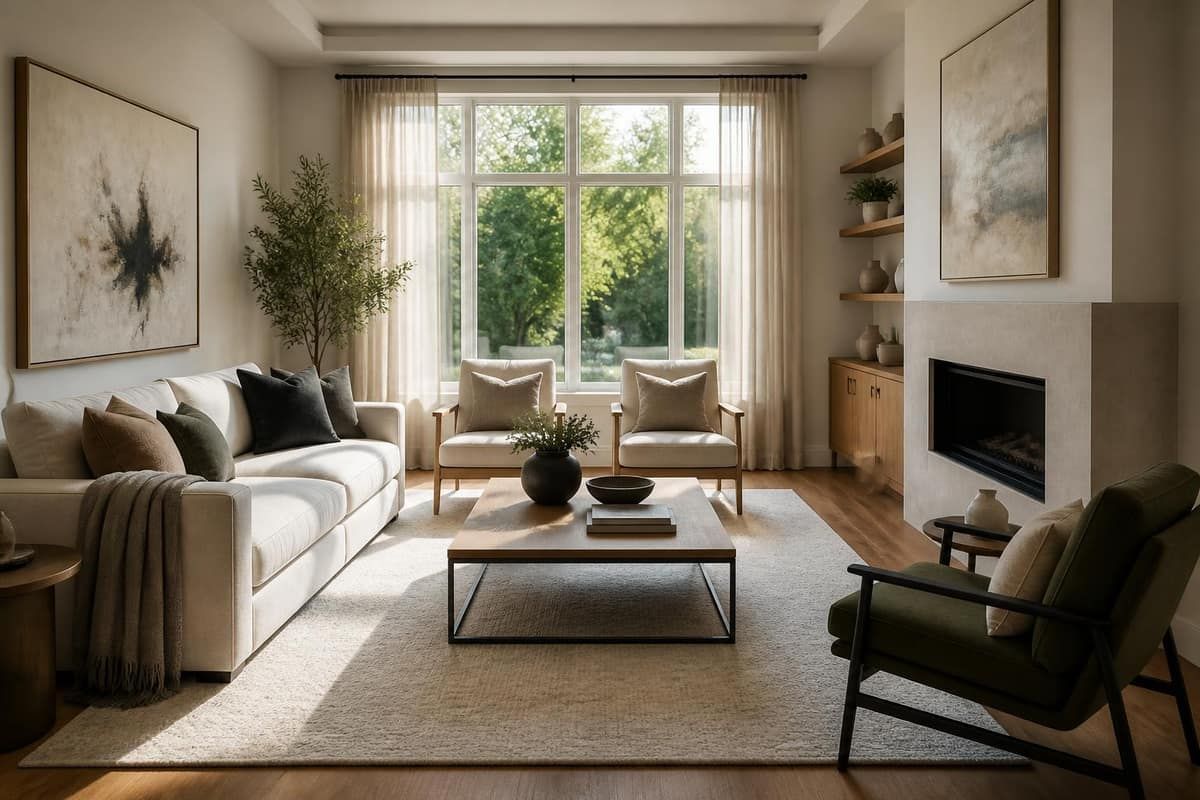
The fun one. Furniture placed, art hung, styling layered in — and you walk into a finished room rather than a building site.
Chapter sevenQuestions everyone asks
The honest answers to what people actually want to know before calling a designer.
No — and please don't. Good designers love working around pieces you already own and love. Tell us what stays and we design the room to honour it.
Ready to see your own room?
Upload one photo and watch your space redesigned — then make it real with a free consultation.
Educational information only — every home is unique. Final designs, materials, and pricing are confirmed during your design consultation.